
Meet Rachel Hebert
Faces of the Valley
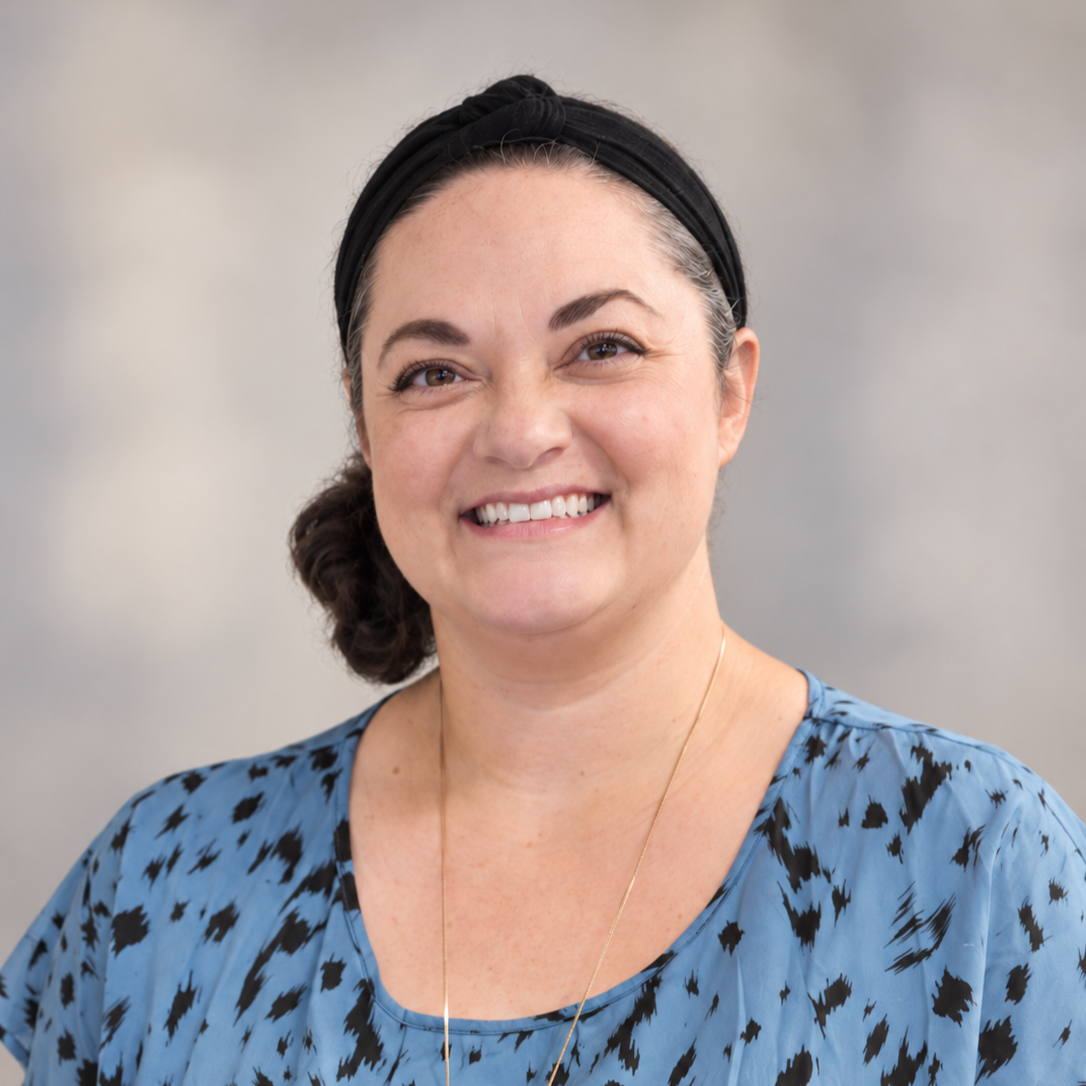
Rachel Hebert
President
Dysart Special Education PTSA
September 2026
We ask all our partners the same questions. We hope you’ll enjoy getting to know our guest!
Please share your relationship to autism: I am the parent of an 8-year-old daughter with autism. She is the most wonderfully silly, sassy, spirited little girl. We are in for a wild ride with her, y’all and I would not have it any other way. I love her to the moon and back. She has taught me so much about communication, inclusion, advocacy, and recognizing the strengths in every person. I am also the President of Dysart Special Education PTSA, where I work alongside families, educators, and professionals to support students with disabilities throughout our school district.
What services does your organization provide? Dysart Special Education PTSA supports students with disabilities from preschool to adulthood, as well as, their families and educators. We provide inclusive family events, parent education and advocacy workshops, sensory supports, classroom grants, educator resources, community connections, and opportunities for families to build relationships with others who understand their journey. Although we serve individuals with a wide range of disabilities and support needs, many of the students and families in our community are connected to autism.
What would you like to tell our audience about your organization? Dysart Special Education PTSA is not your traditional PTA. We were the first public-school, district-wide PTA in Arizona focused specifically on special education. We hope we will not remain the only organization of our kind. We want other districts to learn about this model and see what becomes possible when families, educators, and community partners work together to support students with disabilities. Everything we do is shaped by listening to families and educators and finding practical ways to meet their needs.
Meaningful support for students with disabilities does not happen on its own. It takes people working together to make consistent, incremental changes that benefit everyone. Whether we are hosting an inclusive community event, bringing advocacy training to parents, creating a sensory space, or helping a teacher purchase classroom materials, our goal is to remind families and educators that they are not alone and that we are here to help.What motivates you to support the autism community? My daughter is my greatest motivation. I know what it feels like to navigate evaluations, therapies, IEP meetings, communication differences, and uncertainty about the future while also celebrating progress that others may not always recognize.
One of my proudest moments was watching my daughter at her kindergarten graduation. Although she was overstimulated and out of her element, she found my husband and me in a massive crowd, recognized us, and directed us to clap for her. No one else in that room knew how significant that moment was, but we did. Opportunities matter, and I want others to have the chance to see her and other autistic individuals the way the people who love them do.
I want autistic individuals and their families to feel understood and valued, and I want our community to recognize their strengths rather than focusing only on their challenges. I am also motivated by the families who trust us with their stories and by the educators and professionals who work every day to help our children thrive. I feel incredibly blessed and fortunate to have the time and energy to volunteer, and I want to use that opportunity to do something meaningful for this community and bring more good into the world.
What advice would you give to someone new to their autism journey? Give yourself time to learn, and remember that you do not need to have everything figured out immediately. There are many wonderful resources and communities available to support you. Seek information from autistic voices, trusted professionals, and other families while remembering that every autistic person is different.
“Not yet” can be one of the most powerful phrases in your journey. When a child, student, or adult is still developing a skill, “not yet” leaves room for growth and possibility without placing limits on what their future may hold. It does not mean that every person must achieve every skill or follow someone else’s timeline. It simply reminds us to remain patient, supportive, and open to trying again when the individual is ready.
Difficult experiences can understandably leave families hesitant to try something again. It can become easy to say things like, “We don’t go to large outings,” or “We can’t eat at restaurants.” Sometimes those boundaries are necessary in the moment, but they do not always have to become permanent. Keep the spirit of “not yet” and gently revisit an experience from time to time when it feels safe and appropriate. Honor where the person is today, celebrate progress in all its forms, and remain open to what may become possible with time, encouragement, and the right support.
Focus on understanding the individual in front of you, all their communication, sensory needs, interests, strengths, and what helps them feel safe. Trust your instincts, ask questions, and do not be afraid to advocate. If you do not know how to advocate effectively, ask for help. Most of us have a trick or two that can really help. Most importantly, remember that an autism diagnosis does not change who someone is. It can simply help you better understand how they experience the world.
Additional information you would like to share: One of the most meaningful parts of this work has been seeing what can happen when families, schools, and community organizations come together with a shared commitment to belonging. Some of my most impactful experiences have come from something as simple as showing kindness, listening without judgment, and helping someone feel seen. It can be heartbreaking to realize how often individuals and families have felt overlooked or misunderstood.
Inclusion is not simply inviting someone into a space; it is intentionally creating a space where they can participate, feel comfortable, and be valued exactly as they are. That is the kind of community Dysart Special Education PTSA is working to build.
*This organization accepts donations AND has volunteer opportunities available!